10 Signs You Have Raccoons in Your Attic in Alpharetta
Hearing heavy footsteps above the ceiling, scratching or loud thumping near the roof can make you wonder what has gotten inside your attic. Raccoons are one possibility, especially when the noise is loud, happens at night, or comes with damage around the roof and attic.
Raccoons are strong climbers and can take advantage of gaps around roofs, soffits, vents, and other openings to get into homes. Once inside, they may disturb insulation, damage wiring, leave droppings, and create a mess that becomes harder to deal with the longer they stay.
In this article, you will learn the 10 signs that may indicate a raccoon is living in your
attic, how they get inside, why they move into attics, and
what you can do if you find one in your Alpharetta home.
What Are the 10 Signs That a Raccoon Might Be in Your Attic?
1. Loud Scratching or Thumping at Night
Raccoons are mostly active at night, so scratching, thumping, or scurrying sounds coming from the attic after dark can be an important clue. You may hear an animal moving across the attic floor, inside the insulation, or along the roof.
One sound alone does not confirm that you have a raccoon. However, repeated heavy noises at night, especially when combined with other signs in this list, can point to a larger animal using your attic.
2. Heavy Footsteps Above the Ceiling
Raccoons are much larger than mice and other small animals that commonly enter homes. Their weight can make their movements sound like noticeable footsteps, bumps, or thuds above the ceiling.
You may hear the noise moving from one part of the house to another as the raccoon explores the attic. Pay attention to when the sounds happen and whether they become more frequent at night.
3. Raccoon Droppings or Strong Odors
Animal droppings are another sign that wildlife may be using your attic. Raccoon waste may appear near areas where the animal regularly travels, rests, or enters and exits the space.
You may also notice a strong or unpleasant odor developing in the attic. Avoid touching animal waste directly, especially if there is a large amount of contamination that needs to be removed.
4. Damaged or Disturbed Insulation
Raccoons can move through attic insulation while searching for a place to rest or create a nesting area. You may notice insulation that has been pushed aside, flattened, torn, or gathered into one section of the attic.
Look for areas where the insulation appears different from the surrounding material. If you also notice noises, droppings, or other signs nearby, the disturbed insulation may be connected to wildlife activity.
5. Chewed or Damaged Wires
Wildlife can damage wiring while moving through an attic. If you find wires that look chewed, scratched, exposed, or otherwise damaged, it is important to take the problem seriously.
Damaged wiring can create electrical hazards and should not be handled casually. Have damaged electrical components inspected by a qualified electrician after the wildlife issue has been addressed.
6. Grease Marks Around Entry Points
Raccoons can leave dirt or greasy marks as they repeatedly move through an opening. These marks may appear around soffits, vents, roofline gaps, or other areas where the animal has been entering and exiting.
Fresh marks around a damaged opening can be a useful clue when combined with other signs of activity. However, do not seal the opening immediately if you think the raccoon may still be inside.
7. Damaged Soffits, Vents, or Roof Materials
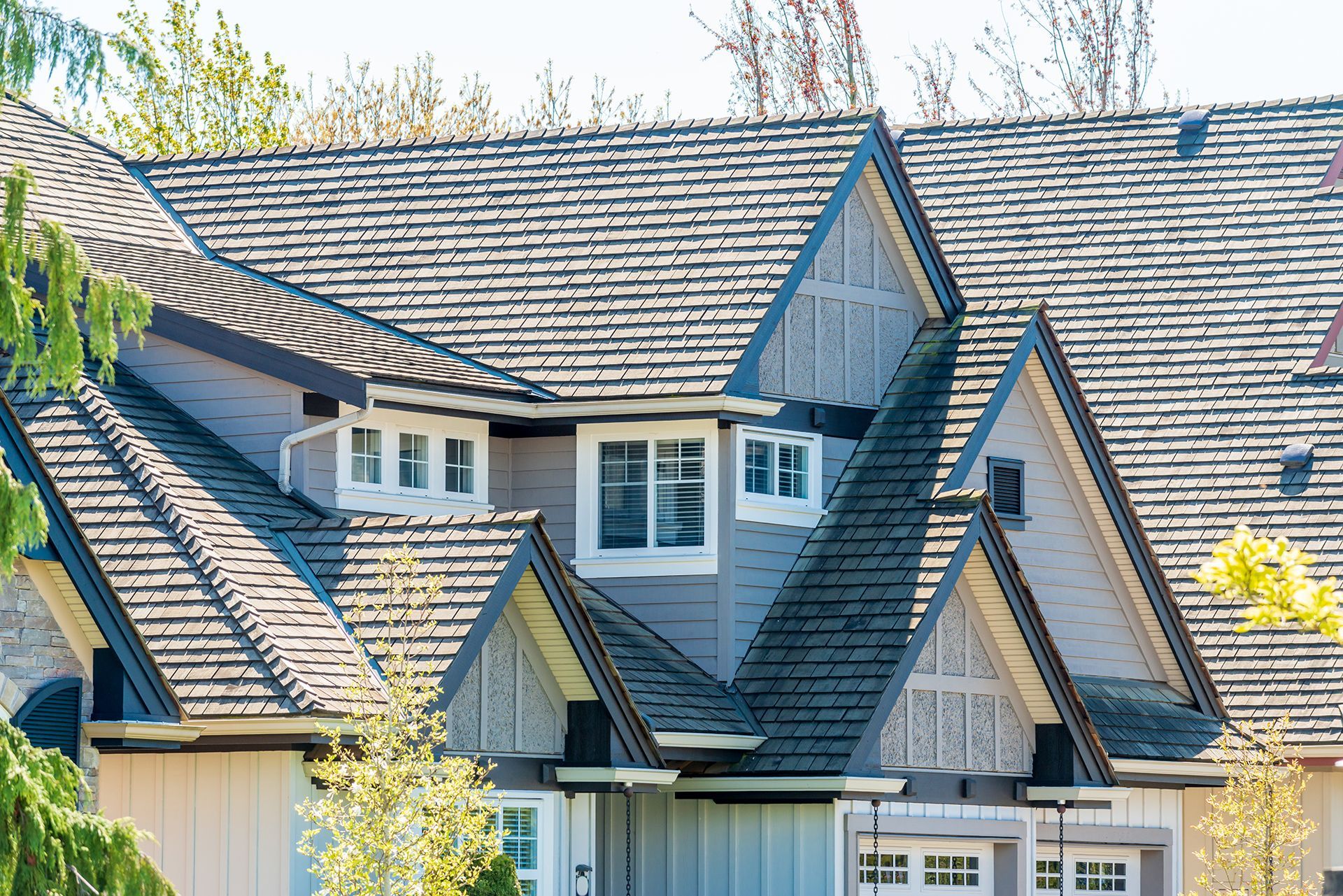
Raccoons are strong enough to damage weak areas around a home while trying to get inside. Look for torn vent covers, loose soffits, damaged fascia, or other openings around the roof.
Fresh damage can indicate that an animal has recently entered or is still using the opening. Check the surrounding area for tracks, droppings, or other evidence before deciding how to address it.
8. Raccoon Tracks or Paw Prints
Raccoons have five toes on their front and back paws, making their tracks fairly distinctive. You may find paw prints in dusty areas, around insulation, or near an exterior entry point.
A track by itself does not prove that a raccoon is living in the attic. Look for a pattern of evidence, such as tracks combined with noises, damage, droppings, or an opening large enough for a raccoon to use.
9. Nesting Materials in the Attic
An attic can provide a sheltered place for a raccoon to rest or raise its young. You may notice insulation, leaves, paper, or other materials gathered together in one area.
If you find what appears to be a nesting area, avoid disturbing it yourself. A mother raccoon can become defensive if she believes her young are being threatened.
10. Raccoons Around Your Roof at Night
Seeing raccoons around your property does not automatically mean one is living in your attic. However, repeated sightings around your roof can be another clue, especially when you have also noticed attic noises or damage.
Raccoons can climb trees, fences, downspouts, and other structures to reach a roof. If you regularly see one climbing onto your home, check the roofline for possible entry points.
How Can You Tell if It Is a Raccoon or Another Animal?
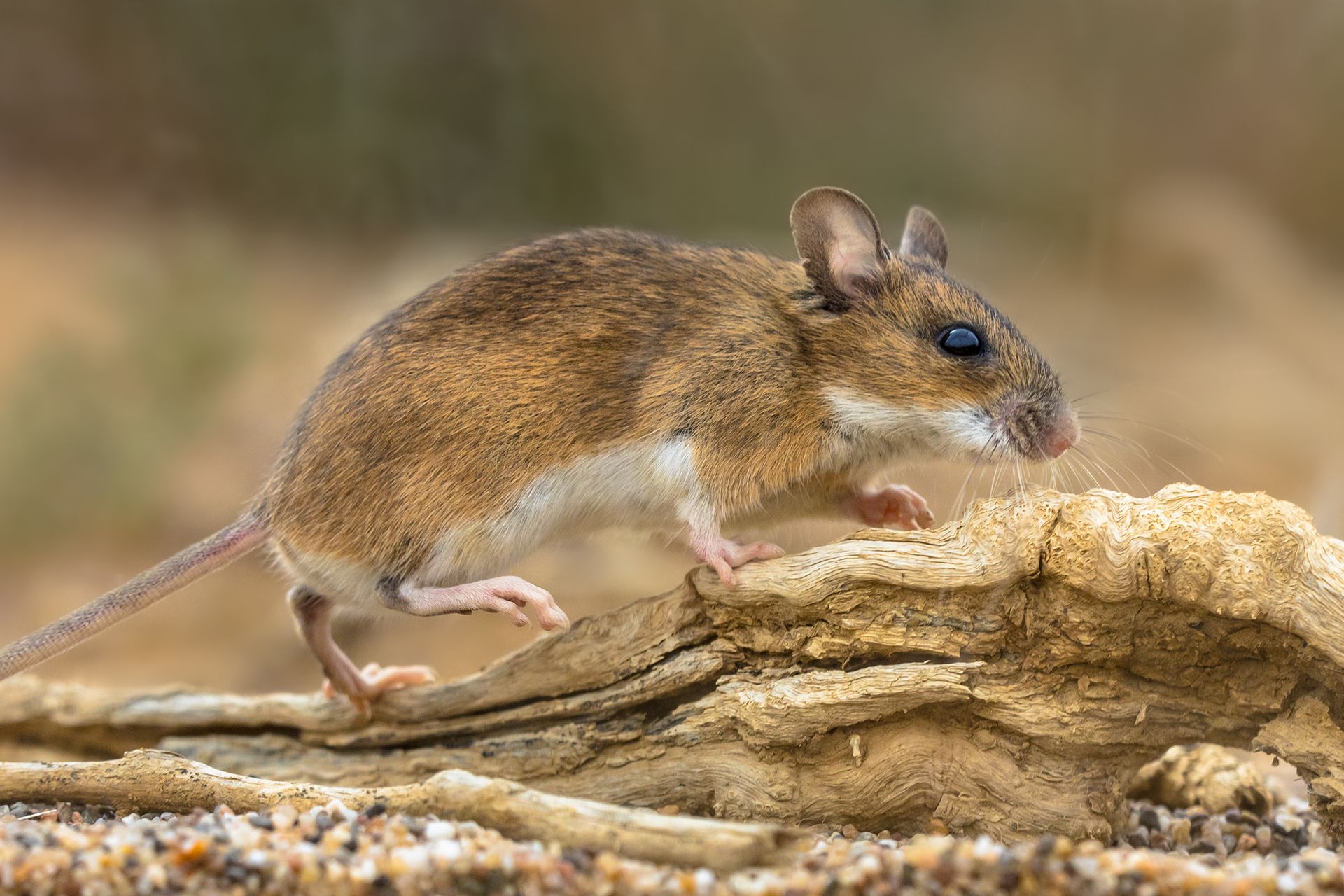
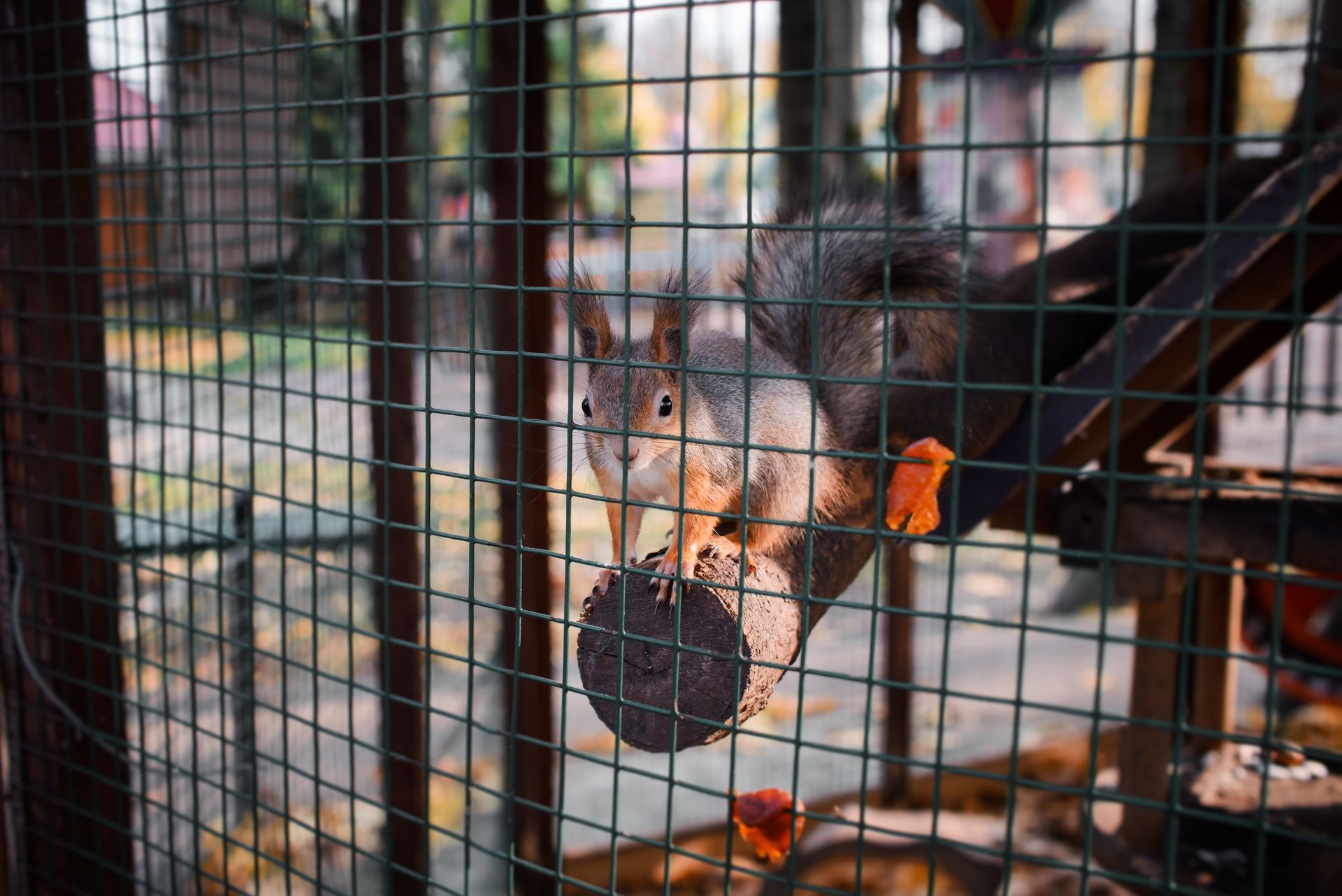
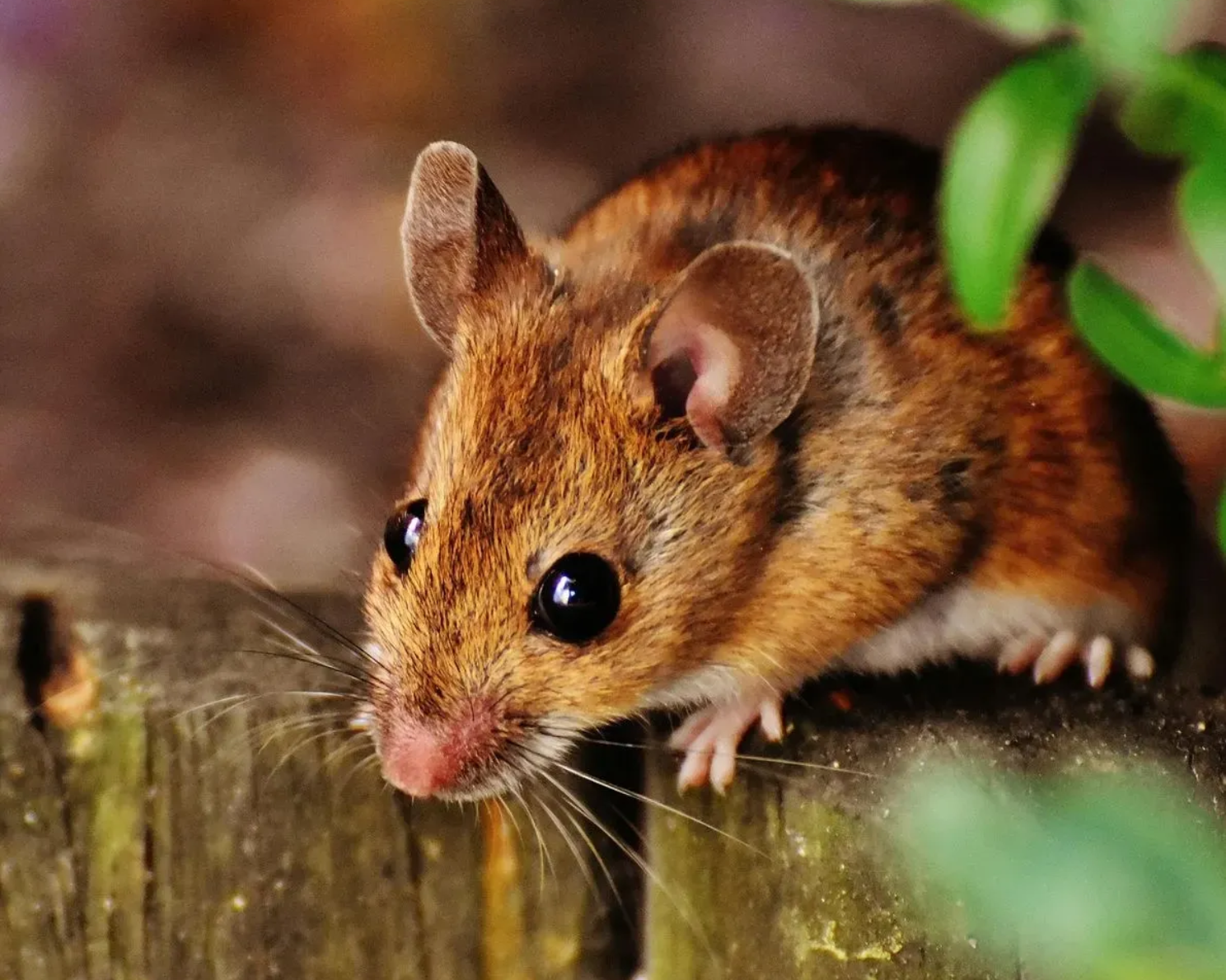
The signs of wildlife activity can overlap, so it is not always easy to identify an animal based on noise alone. Raccoons tend to make heavier scratching, thumping, and movement sounds because they are larger than mice, rats, or squirrels. Their tracks, droppings, damage, and entry points can also provide useful clues.
Other animals can leave different signs. Squirrels are usually active during the day, while
bats may leave droppings near roosting areas and often use small openings to enter. Rats and mice can also make scratching sounds, but their smaller size usually creates lighter movement. Looking at several signs together can help narrow down what is using your attic.
Why Do Raccoons Move Into the Attic?
Attics provide many of the things raccoons look for in a shelter. They are enclosed, protected from weather, and usually quiet, making them suitable places to rest or raise young.
Fall can also bring more wildlife activity around homes as temperatures change. A raccoon that finds an easy opening may choose to use an attic rather than remain exposed outdoors.
Food sources around your property can also attract raccoons. Unsecured garbage, pet food, bird seed, fallen fruit, and other accessible food can encourage wildlife to spend more time near your home.
How Do Raccoons Get Into Your Attic?
Raccoons are strong climbers and can use weak or damaged areas around the roof to get inside. They may take advantage of openings that seem too small to be a problem at first.
Common entry points include:
- Damaged or loose soffits
- Roof vents
- Gaps around chimneys
- Damaged fascia
- Loose roofing materials
- Openings around utility lines
- Damaged attic vents
- Gaps along the roofline
Trees growing close to the house can also give raccoons an easy route onto the roof. If you notice a possible entry point, look for signs that it is actively being used before sealing it.
Are Raccoons in the Attic Dangerous?
Raccoons can cause problems for both your home and your household when they get into an attic. The longer they remain inside, the more opportunity they have to damage insulation, wiring, roofing materials, and other parts of the property.
There is also a risk of coming into direct contact with the animal or its waste. A raccoon may defend itself if it feels threatened, so homeowners should avoid cornering, grabbing, or attempting to handle one themselves.
Property Damage
Raccoons can disturb insulation, damage roofing materials, tear at vents, and create openings as they move through an attic. Repeated activity can turn a small entry problem into a larger repair issue.
If you notice new damage around the roof or attic, look for other signs that wildlife may be responsible. Addressing the source can help prevent additional damage.
Electrical Damage
Wildlife can damage wiring when it moves through an attic. Chewed or exposed wires can create electrical problems and may become a serious safety concern.
Do not attempt to repair damaged wiring yourself. Have a qualified electrician inspect it once the wildlife issue has been addressed.
Droppings and Contamination
Raccoons may repeatedly use the same areas of an attic, which can lead to waste buildup. This can create strong odors and contaminate insulation or other materials.
Handle large amounts of wildlife waste carefully. Depending on the attic's condition, contaminated materials may need professional cleaning or replacement.
How Long Will a Raccoon Stay in the Attic?
There is no exact amount of time a raccoon will stay in an attic. If the space provides shelter and the animal can easily get in and out, it may continue using the area for an extended period.
The situation can be different when young are present. A mother raccoon may remain nearby while caring for them, which is one reason homeowners should avoid sealing an opening without first confirming that the attic is empty.
Do Raccoons Leave the Attic on Their Own?
A raccoon may leave the attic to search for food, water, or another place to move around, but that does not necessarily mean it has abandoned the attic. If the animal has found a safe shelter and can return through an open entry point, it may come back later.
This can make it seem like the problem has disappeared when the raccoon is simply outside for part of the day or night. If you have noticed repeated noises, damage, droppings, or other signs, do not assume the attic is empty just because you no longer hear movement.
How to Get Rid of Raccoons in Your Attic
If you suspect a raccoon is inside your attic, start by looking for signs that can help confirm what animal you are dealing with. Scratching sounds, heavy movement, droppings, tracks, disturbed insulation, and exterior damage can all provide useful clues.
Also look for the entry point, but avoid climbing onto the roof or entering an unsafe area. If you find an opening, do not seal it while the animal may still be inside.
Keep Food Sources Secure
Raccoons are attracted to easily accessible food around homes. Keep garbage containers securely closed and avoid leaving pet food outside overnight.
Bird seed, fallen fruit, and other food sources can also attract raccoons and other wildlife. Reducing these attractants can help make your property less appealing.
Do Not Trap or Handle a Raccoon Yourself
A raccoon can become defensive when cornered, particularly if it feels threatened or is protecting young. Trying to catch or physically remove one can put you at risk of a bite or scratch.
If you know or suspect that a raccoon is inside your attic, professional wildlife removal can help determine the safest way to address the situation.
Do Not Seal the Entry Point Too Soon
Sealing an opening before the raccoon has left can trap the animal inside. If young are present, it can also separate them from their mother.
Address the entry point properly after the wildlife activity has been resolved. This helps reduce the chance of another animal using the same opening.
When Should You Get Professional Help?
Some raccoon problems are difficult to handle safely without professional help. Consider getting help if you can hear an animal but cannot locate it, find significant damage, or suspect that young are present.
Professional wildlife removal can also help when you cannot determine what animal is in your attic. An inspection can help identify the animal, locate potential entry points, and determine what needs to happen next.
You should especially consider professional help if:
- You have found a raccoon inside your attic
- You suspect baby raccoons are present
- There is significant roof or attic damage
- You have found a large amount of animal waste
- The animal keeps returning
- You cannot locate the entry point
- You are unsure what type of animal is inside
- The entry point is difficult or unsafe to access
Dealing With a Raccoon in Your Attic?
If you suspect a raccoon is in your attic, don't approach it or try to remove it yourself. Raccoons can become defensive when cornered, and sealing an entry point too soon could trap the animal inside.
Grade A Critter can inspect your attic,
safely remove the raccoon, and identify the entry points that need to be addressed. If you are dealing with a raccoon in your Alpharetta home,
contact Grade A Critter to schedule an inspection.
Recent Posts