12 Signs You Have Bats in Your Attic
A faint squeak near the ceiling, a strange smell upstairs, or bats appearing near the roof at sunset can point to activity above you. Common signs you have bats in your attic include guano, urine stains, ammonia-like odors, chirping or fluttering sounds, dark entry marks, and repeated dusk activity.
One bat outdoors does not confirm
an attic colony. Several clues appearing together, especially bats leaving the same opening around sunset, give you more reason to investigate.
Georgia is home to 16 bat species, all of which eat insects. In this article, you will learn the 12 signs to watch for, how to confirm the animal, and
what to do next.
What Are the 12 Signs You Have Bats in Your Attic?
The clearest signs you have bats in your attic combine visual evidence, sounds, odors, and repeated activity near the roof. One clue may be easy to misread, but several appearing together can point more clearly to bats.
Here are the signs to watch for:
1. Bats Flying From the Roof Around Dusk
Bats repeatedly leaving the same part of your roof around sunset are one of the strongest clues of an attic roost. Watch from the ground for activity around:
- Roof edges
- Soffits and fascia
- Gable vents
- Chimneys
- Gaps near flashing or siding
One bat crossing your yard may simply be feeding nearby. Several bats emerging from one opening point to a more specific source.
2. Small Piles of Bat Guano
Bat guano often appears as small, dark pellets beneath roosts or entry points. You may find it in the attic, on insulation, along exterior walls, or below an opening.
Guano can resemble rodent droppings, so avoid identifying it by shape alone. Do not pick up or crush droppings, especially when there is a large accumulation.
3. Shiny Insect Fragments in the Droppings
Bat droppings can contain shiny pieces of insect exoskeletons because Georgia bats feed on insects. These fragments may be visible under good lighting.
Use this only as a supporting clue. You do not need to handle droppings to inspect them.
4. A Strong Ammonia-Like Odor
Bat urine and waste can create a strong ammonia-like smell in an enclosed attic. Some people compare it to heavily used cat litter.
The odor may be strongest near attic access points or rooms below a roost. Smell can suggest waste buildup, but it cannot tell you how many bats are present.
5. High-Pitched Chirping or Squeaking
Bats can make high-pitched squeaks and chirps while roosting, especially when the house is quiet. Other animals also make attic noises, so sound alone is not enough for identification.
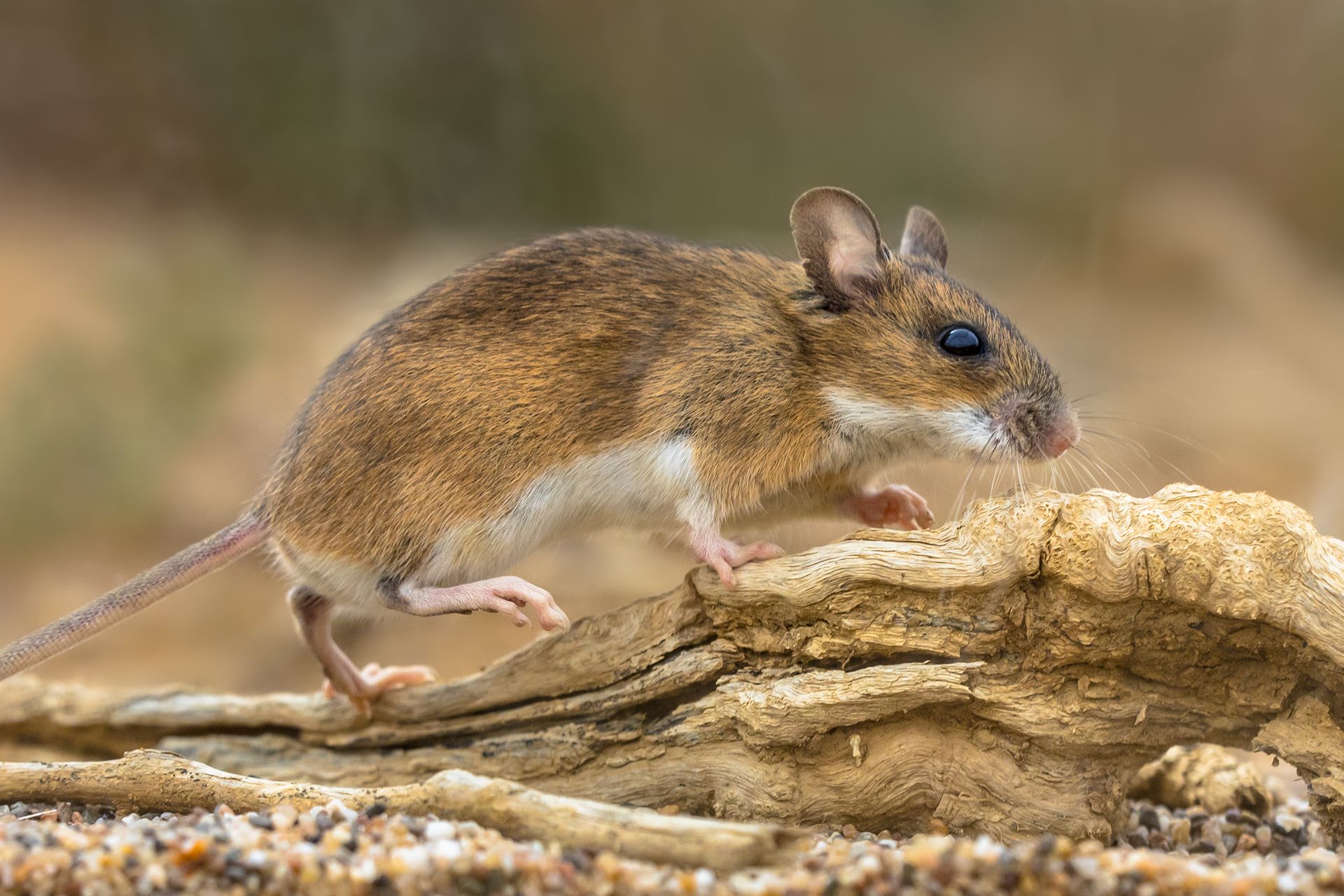
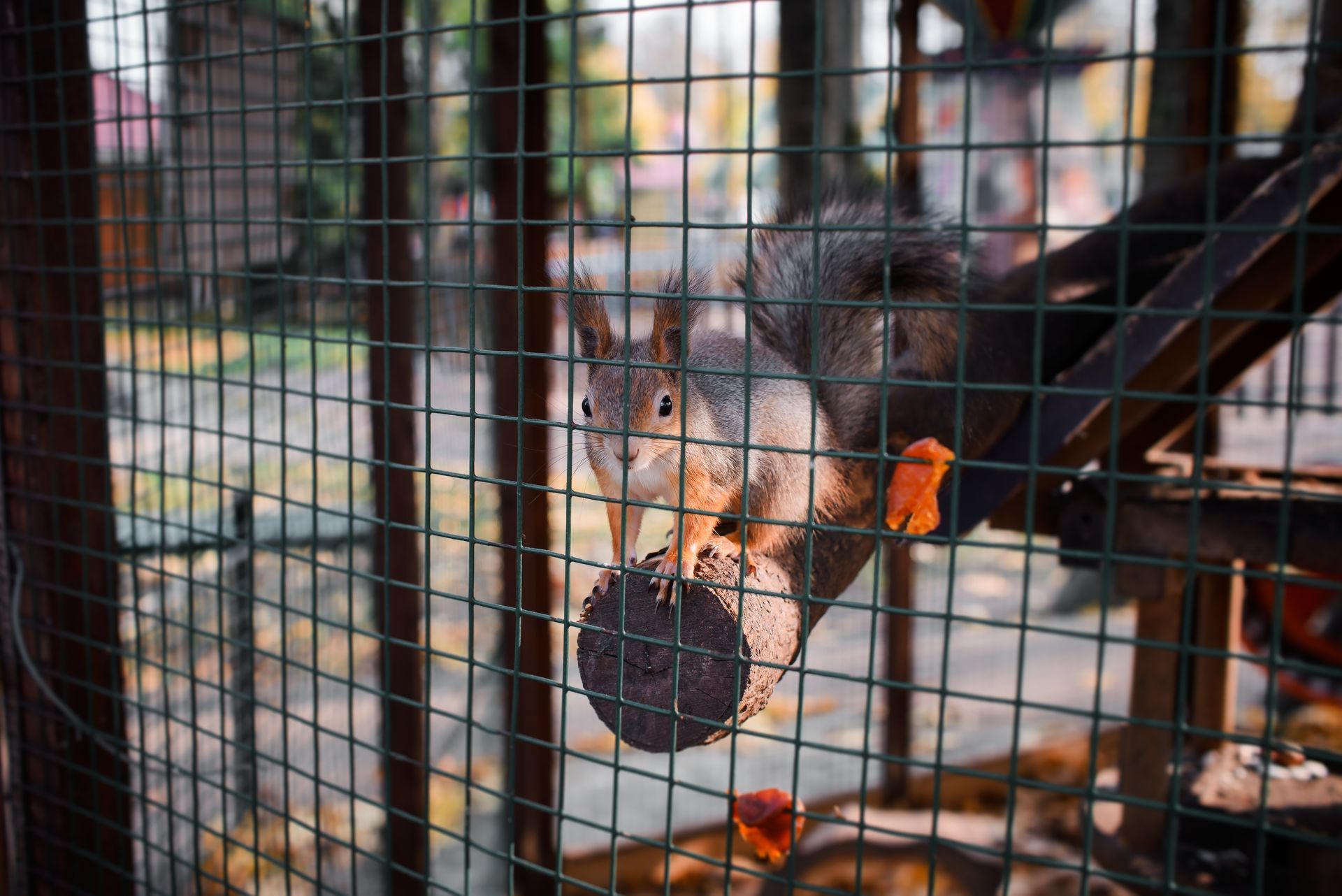
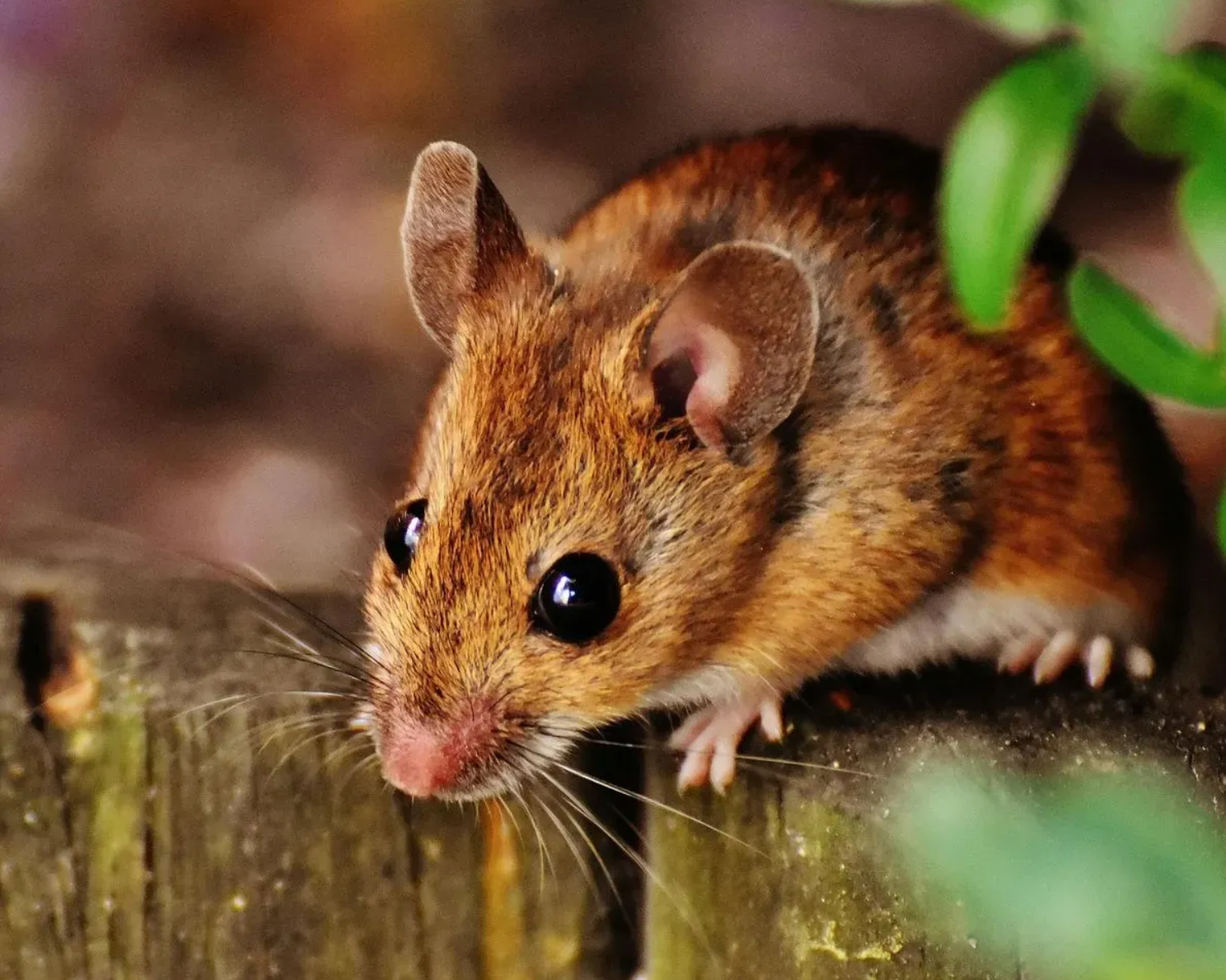
Mice may scratch or gnaw, while squirrels often create heavier running or scampering sounds.
6. Fluttering or Rustling Around Sunset or Sunrise
Soft fluttering, rustling, or brief scratching near the ceiling can line up with bats leaving at dusk or returning near dawn. The timing is often as useful as the sound itself.
Repeated movement at similar times each day becomes more meaningful when paired with droppings or dusk sightings.
7. Dark, Greasy Marks Around Small Openings
Repeated movement through a narrow gap can leave dark smudges around the opening as fur and body oils collect along the edge.
Check visible rooflines, vents, fascia, soffits, flashing, and exterior gaps. Do not seal a suspected opening while bats may still be inside.
8. Urine Stains Around the Attic
Bat urine may leave dark or yellowish stains on framing, insulation, or nearby surfaces. Water leaks can create similar marks, so pair staining with other evidence such as guano, odor, or bat activity.
9. Brown Stains Appearing on Ceilings
Waste or moisture above a room may sometimes lead to brown, water-like ceiling stains. Roof leaks, plumbing problems, and condensation can look similar, so ceiling stains should be treated as one clue rather than confirmation.
10. Small Gaps That Let Daylight Into the Attic
Daylight entering through attic cracks can reveal possible wildlife access points. Common areas include vents, roof intersections, soffits, fascia, and construction gaps.
A visible opening shows where an animal could enter, but it does not confirm that bats are using it.
11. A Bat Appearing Inside Your Living Space
A bat in a bedroom, hallway, or other occupied room may have moved through a gap between the attic, wall voids, and living area. One indoor bat does not prove there is a colony, but it should be taken seriously.
Do not touch a bat with bare hands. If direct contact occurred or cannot be ruled out, get a prompt assessment by a healthcare or public health professional.
12. Dead Bats Around the Home
A dead bat near the foundation, roofline, or attic access can be another clue. One outdoor finding may be unrelated, but repeated findings alongside other signs justify a closer inspection.
Avoid bare-hand contact and keep children and pets away from dead wildlife.
How Can You Tell If the Signs Are Really From Bats?
Several clues that line up with one another provide the strongest case for bats. Repeated dusk emergence from the same opening, paired with guano, staining, odor, or evening sounds, is more useful than one sign alone.
A quick comparison can help separate bat activity from rodent activity:
Bats vs. Rodents
Bats and rodents can both leave droppings and make attic noises, but their behavior often differs. Bats are most active as they leave and return around dusk and dawn, while mice and rats may produce scratching, gnawing, or movement at various times through the night.
Look for a combination of clues:
Bats repeatedly emerging from one roof opening near sunset- Fluttering or chirping rather than frequent gnawing
- Guano collecting beneath a roost or exterior exit
- Dark marks around a narrow roof or vent gap
- Rodent-style chewing around wood, wiring, or stored items
If the evidence is mixed, a wildlife inspection can identify the animal, locate entry points, and check for damage before you decide what to do.
Can Bats in the Attic Create Health or Home Problems?
Bats in an attic can create problems when waste accumulates, animals enter occupied rooms, or an active opening allows the issue to continue. The level of concern depends on the roost, contamination, and any direct contact with people or pets.
Two health topics deserve particular care.
Guano Accumulation and Histoplasma
Histoplasmosis is a lung infection caused by breathing in spores from the fungus Histoplasma. The CDC explains that the fungus can grow especially well in soil or other material containing large amounts of bird or bat droppings.
Finding guano does not mean someone will become sick. Risk can rise when contaminated material is disturbed and dust becomes airborne. For large accumulations, the CDC recommends
professional cleanup in some situations.
Rabies and Direct Bat Contact
Most bat encounters do not result in rabies, but bats are among the wildlife species most often found with rabies in the United States. Bites and scratches can also be small.
If you are bitten, scratched, or had direct contact that cannot be ruled out, contact a healthcare provider or public health professional promptly. Keep pets away from bats and keep their rabies vaccinations current.
Waste and Attic Contamination
Long-term roosting can leave urine, guano, odor, and soiled insulation behind. Cleanup needs depend on the amount and location of the waste.
Removing bats, addressing contaminated material, and closing entry points are separate parts of restoring the attic.
Will Bats Leave an Attic on Their Own?
Bats may leave to feed or move seasonally, but an established roost can return while the same entry points remain open. A quiet attic does not prove the access problem is gone.
Long-term control usually involves identifying active openings, allowing bats to leave at the proper time, and closing access points after the structure is clear. Do not seal the first hole you see, especially when young bats may be unable to fly.
When Can Bats Be Removed From an Attic in Georgia?
Routine bat exclusions in Georgia should be avoided from April 1 through July 31 because young bats may still be unable to fly. The Georgia Department of Natural Resources says exclusions during this maternity period must be completed by a licensed Nuisance Wildlife Control Operator.
For a home in Alpharetta, that seasonal guidance affects when and how an attic colony should be handled.
Georgia Bat Maternity Season
During maternity season, adult bats may leave to feed while pups remain inside the roost. Sealing the adults out at that point can leave flightless young trapped in the structure.
Georgia DNR recommends avoiding routine exclusions during this period. If the situation cannot wait, a licensed nuisance wildlife professional must handle the exclusion.
Humane Bat Exclusion
Bat exclusion is designed to let bats leave while preventing them from getting back into the structure. The process also requires finding other gaps that could become alternate entry points.
The goal is to clear the structure without trapping bats inside. Once the timing is appropriate and the bats are out, entry points can be sealed and any damage or contamination can be assessed.
What Should You Do If You Think Bats Are in Your Attic?
If you suspect bats in your attic, focus on confirming the activity without handling bats, disturbing guano, or sealing an active opening. You can collect useful information from a safe distance before arranging an inspection.
Follow these steps:
- Watch the roofline around sunset and note where bats appear.
- Keep children and pets away from bats, droppings, and suspected entry areas.
- Avoid sweeping, vacuuming, or disturbing large guano accumulations.
- Do not seal an opening while bats may still be inside.
- Arrange an inspection to confirm the animal and locate access points.
- Plan exclusion and repairs around Georgia's seasonal requirements.
Grade A Critter provides wildlife inspection, removal, exclusion, and damage repair services, so an inspection can help determine which parts of that process your attic needs.
Do Lights, Repellents, or Strong Smells Get Rid of Attic Bats?
Strong smells, ultrasonic devices, and chemical repellents are not reliable ways to eliminate bats from an occupied roost. The CDC states that ultrasonic devices and chemical repellents are ineffective for eliminating bats from a roosting area.
Online advice may suggest vinegar, essential oils, mothballs, bright lights, or noise, but these approaches can leave the entry problem unresolved.
Avoid poisoning bats or plugging an active exit. Proper exclusion addresses the route bats are using without trapping them inside.
How Do You Know When It Is Time to Get Help?
You should consider professional help when several bat signs appear together, you see bats repeatedly leaving the structure, there is a large amount of guano, or you cannot safely identify the entry point. Direct bat contact also calls for separate guidance from a healthcare or public health professional.
The strongest pattern is usually a combination of dusk activity, droppings, odor, staining, and sounds coming from the same part of the home. Getting the animal identified early can also prevent you from sealing the wrong opening or treating a bat problem like a rodent problem.
Think You Have Bats in Your Attic in Alpharetta?
If you have spotted several signs you have bats in your attic, Grade A Critter can inspect the space, identify entry points, and recommend the appropriate next steps for removal and exclusion.
Bat work in Georgia has seasonal requirements, and attic cleanup or repairs may also need attention after the animals are out.
Contact Grade A Critter to schedule an inspection and find out what is using your attic and how to address it safely.
Recent Posts