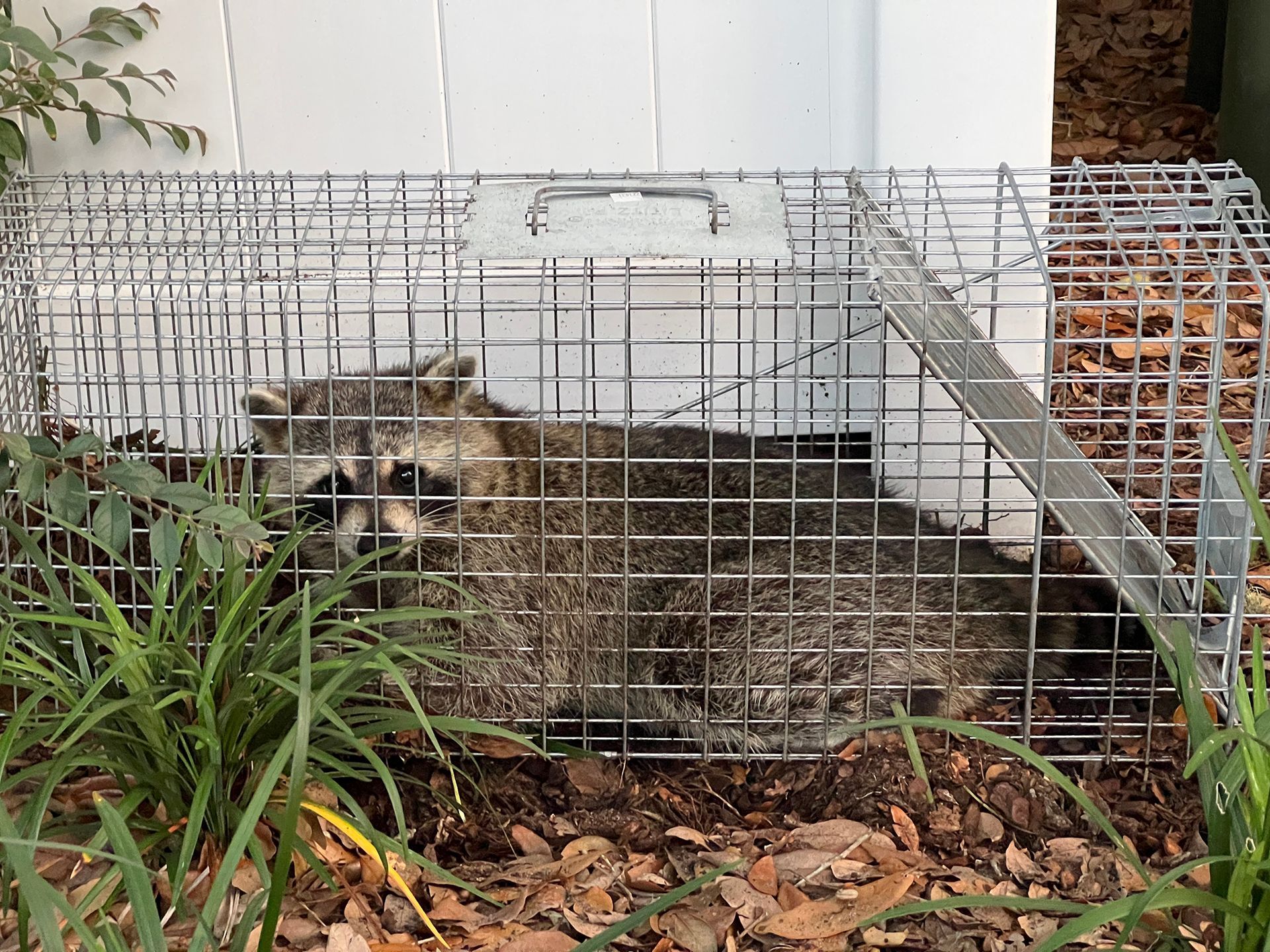
8 Signs You Have Rats or Mice in Your Home in Alpharetta
You open a cabinet and find a hole in a food package. Then you notice a few dark droppings behind the stove. Later you hear scratching inside the wall. These small clues can be easy to brush off, but together, they may point to rats or mice living somewhere inside your home.
Rodents are good at staying out of sight. They can move through walls, hide behind appliances, nest in quiet spaces, and use small openings to get inside. By the time you actually see one, there may already be other signs of activity around the house.
In this guide, you’ll learn the 8 signs that can point to a
rodent problem, what attracts rats and mice to homes, the health and property concerns they can create, and what to do if you find evidence of an infestation in your Alpharetta home.
What Are the 8 Signs That You Have Rats or Mice in Your Home?
1. Rodent Droppings Around Your Home
Finding small, dark droppings is one of the most common signs of rodent activity. You may find them in cabinets, pantries, behind appliances, under sinks, along walls, or in other areas where rodents can move unnoticed.
Fresh droppings are usually darker and softer, while older droppings may become dry and lighter. If you continue finding new droppings after cleaning an area, that can indicate active rodent activity.
2. Scratching or Scurrying Sounds
Rats and mice can make scratching, squeaking, and scurrying sounds as they move through walls, ceilings, attics, and other hidden areas. You may hear these sounds more often at night when the house is quiet.
Pay attention to where the sounds are coming from and whether they happen repeatedly. Sounds inside walls or ceilings can be difficult to trace, so avoid opening walls or other areas just to find the source.
3. Chewed Food Packaging
Rodents have strong teeth and may chew through cardboard boxes, plastic bags, paper packaging, and other materials while looking for food. You may notice small holes, gnaw marks, or damaged packages in your pantry or cabinets.
Look around food storage areas for other signs at the same time. Droppings, nesting materials, or a stale odor near damaged food packaging can provide more evidence of rodent activity.
4. Gnaw Marks on Wood or Other Materials
Rats and mice may chew on more than food packaging. You may find gnaw marks on wood, cabinets, doors, insulation, plastic, or other materials around the home.
Fresh gnaw marks can be a useful clue, especially if they appear near other signs of rodent activity. Do not assume the damage is harmless just because it looks small. Rodents may continue chewing as they move through your home.
5. Greasy Marks Along Walls or Baseboards
Rodents often travel along walls and other protected surfaces as they move through a home. Their bodies can leave dark or greasy marks where they repeatedly pass.
Check along baseboards, behind appliances, inside cabinets, and near potential entry points. These marks are more useful when they appear alongside droppings, gnaw marks, or other evidence of activity.
6. Nests or Shredded Materials
Rats and mice may gather materials to create nests in quiet, protected areas. You may find shredded paper, cardboard, fabric, insulation, or other soft materials gathered behind appliances, inside cabinets, or in hidden areas.
A nest can indicate that rodents are using the area regularly. If you find nesting material along with droppings or other signs, there may be an active rodent problem nearby.
7. Live or Dead Rodents Spotted Indoors
Seeing a live rat or mouse inside your home is a clear sign that a rodent has found a way inside. You may spot one running across a kitchen floor, garage, basement, attic, or other area where food and shelter are available.
Finding a dead rodent indoors is also important because it confirms that rodents have been present inside the property. One sighting does not tell you how many may be nearby, so check for droppings, nesting materials, gnaw marks, and other signs of activity.
8. A Strong Ammonia-Like Odor
A strong ammonia-like smell can develop when rodents repeatedly urinate in an enclosed area. Rodent urine can build up in places where rats or mice nest, travel, or spend a lot of time, creating a sharp smell that becomes more noticeable as waste accumulates.
The odor may be especially noticeable inside cabinets, behind appliances, in wall voids, crawl spaces, attics, or other enclosed areas. A strong ammonia smell does not prove you have rodents, but when it appears alongside droppings, scratching, or other signs, it can point to hidden rodent activity.
What Attracts Rats and Mice Into Your Home?
Rats and mice are usually looking for three basic things: food, water, and shelter. Your home can provide all three, especially when food is easy to access or there are quiet areas where rodents can hide and nest.
Common attractants include unsecured garbage, food left on counters, pet food, bird seed, crumbs, leaking pipes, standing water, and cluttered storage areas. Outdoor conditions can also push rodents toward homes when they are looking for a protected place to live.
Once a rat or mouse finds a reliable food source and a way inside, it may continue returning to the same area. Removing these attractants can make your home less appealing, but it does not address rodents that are already inside.
Are Rats and Mice Dangerous?
Rats and mice can create problems for both your home and your household. They may contaminate food, damage materials, chew wiring, and leave waste in areas where people live and prepare food.
Rodents can also be difficult to locate once they get inside. They may spend much of their time behind walls, under appliances, inside cabinets, or in other areas that are difficult to access.
Property Damage
Rodents can chew through insulation, wood, plastic, cardboard, and other materials as they move around your home. They may also damage stored belongings or contaminate areas where they build nests.
The damage may start small but become more noticeable if the rodents remain inside. Finding repeated gnaw marks or damaged materials is a reason to look for other signs of activity.
Electrical Damage
Rats and mice may chew on electrical wiring as they move through walls, attics, and other parts of a home. Damaged wiring can create electrical problems and may become a serious safety concern.
Do not attempt to repair damaged wiring yourself. Have it inspected by a qualified electrician after the rodent issue has been addressed.
What Health Concerns Are Associated With Rats and Mice?
Rats and mice can carry diseases and germs that can spread to people. According to the CDC's guidance on rodent infestations, people can be exposed through contact with rodent urine, droppings, saliva, bites, or contaminated food and surfaces. Rodents can also carry fleas, ticks, and mites that may spread disease.
Some of the diseases associated with rodents include:
- Hantavirus: Certain hantaviruses can cause hantavirus pulmonary syndrome, a serious illness that can affect the lungs. Exposure can occur when contaminated rodent urine, droppings, or nesting material becomes airborne and is inhaled.
- Leptospirosis: This bacterial infection can spread through contact with urine from infected animals. In severe cases, it can cause kidney damage, meningitis, liver failure, breathing problems, and other complications.
- Salmonellosis: Rodents can spread Salmonella bacteria through contaminated food, surfaces, or other materials.
- Rat-bite fever: This bacterial infection can spread through bites or scratches from infected rats and through contact with contaminated materials.
- Lymphocytic choriomeningitis (LCM): This viral disease is associated mainly with the common house mouse. People can be exposed through contact with infected mouse urine, droppings, saliva, or nesting materials.
These risks do not mean that every rat or mouse carries disease. However, you cannot tell whether a rodent is carrying a harmful germ simply by looking at it. The CDC recommends avoiding contact with rodent waste and taking precautions when cleaning areas where rodents have been active.
What Number of Mice or Rats in a House Is Considered an Infestation?
There is no universal number that officially defines a rodent infestation. However, for a homeowner, finding three or more rats or mice inside a home should be treated as a clear infestation, especially when you are also seeing droppings, nests, gnaw marks, or other repeated signs.
Rodents can reproduce quickly, which means a small number can become a much larger problem. A female house mouse can produce several litters in a year, often with multiple young in each litter. Rats can also reproduce year-round when conditions are favorable, with females capable of producing several litters and multiple pups per litter.
This means seeing five rodents does not necessarily mean there are only five inside the home. Rodents often hide in walls, cabinets, attics, crawl spaces, and other areas where they are difficult to see. If you are repeatedly seeing rodents or finding fresh signs, the number you see may only represent part of the problem.
Is It Safe to Clean Up Rodent Droppings Yourself?
Homeowners can sometimes clean small amounts of rodent droppings if they follow proper precautions. Do not sweep or vacuum dry droppings, because this can send contaminated particles into the air.
Wear disposable gloves and thoroughly wet the droppings with an appropriate disinfectant before carefully wiping them up. Wash your hands afterward and dispose of contaminated materials properly.
If there is a large amount of waste, strong odors, nesting material, or contamination in an enclosed space, avoid disturbing it and consider professional cleanup.
The CDC also recommends taking special precautions when cleaning up after rodents
because contaminated urine, droppings, and nesting materials can expose people to disease.
How to Get Rid of Rats and Mice in Your Home
If you suspect rats or mice are inside your home, start by looking for the signs that can help identify where they are active. Check areas where you have found droppings, damaged food packaging, gnaw marks, nesting materials, or unusual odors.
You should also look for possible entry points around the exterior of your home. Traps may remove individual rodents, but they will not prevent more rodents from entering if openings and attractants remain.
Keep Food Sealed
Store food in sealed containers and clean up crumbs or spills that could attract rodents. Avoid leaving pet food out for long periods, especially overnight.
Keep garbage in containers with secure lids. Reducing accessible food can make your home less attractive to rats and mice.
Remove Water Sources
Rodents need access to water, so check for leaks, standing water, and other moisture sources around your home. Repair leaking pipes or faucets and address moisture problems where possible.
Pet water bowls and other accessible water sources can also attract rodents. Keep these areas clean and monitor them if you suspect rodent activity.
Seal Entry Points
Look for gaps around pipes, vents, doors, foundations, windows, roofs, and utility lines. Small openings can give rodents access to areas where they can hide and nest.
Seal entry points properly after confirming rodents are no lon ger inside the area. Sealing an opening without addressing an active infestation can leave rodents trapped inside.
Don't Rely on Traps Alone
Traps can catch individual rats or mice, but they do not address how rodents are getting into the home. If entry points remain open, new rodents may continue entering after others are removed.
A complete solution should look at the source of the problem, including entry points, food sources, nesting areas, and ongoing signs of activity.
When Should You Get Professional Help?
Some rodent problems are difficult to handle without professional help. Consider getting help if you continue finding fresh droppings, hear activity inside walls or ceilings, find significant damage, or see rodents repeatedly.
Professional wildlife and pest services can help identify what is inside the home, locate potential entry points, and determine what needs to be addressed.
You should especially consider professional help if:
- You continue finding fresh droppings after cleaning
- You hear scratching or movement inside walls or ceilings
- You have found a nest
- You have seen rats or mice multiple times
- There is significant contamination
- You find damaged electrical wiring
- You cannot locate the entry point
- Traps have not solved the problem
- You are unsure whether you have rats, mice, or another pest
Seeing Signs of Rats or Mice in Your Home? Act Now
aOne mouse or rat can be easy to dismiss. Fresh droppings, new gnaw marks, strange odors, or repeated scratching are different. These signs can mean rodents are already using your home as a food source or nesting spot.
Grade A Critter can inspect your Alpharetta home, locate signs of rodent activity, find how they are getting inside, and
remove the rats or mice from your home.
Contact
Grade A Critter to schedule an inspection and get the problem handled.
Recent Posts