8 Entry Points Wildlife Use to Get Into Homes in Alpharetta
Wild animals do not need a large opening to get inside your home. A loose piece of siding, a damaged roof area, or a small gap around a utility line can be enough for an animal to find its way into an attic, crawl space, garage, or wall.
Once inside, wildlife can create noise, damage insulation, chew through materials, leave droppings, and build nests in areas you cannot easily reach. Some animals may also use the same opening repeatedly.
Here are 8 common entry points to check around your Alpharetta home, along with the signs that may indicate an animal has already gotten inside.
What Are the 8 Common Wildlife Entry Points?
1. Damaged or Missing Roof Shingles
Damaged, loose, or missing shingles can leave gaps beneath the roof that wildlife may use to get inside. Squirrels, raccoons, birds, and other animals can take advantage of weak areas around the roofline.
Check for lifted shingles, damaged roofing materials, and areas where the roof appears to have pulled away. If you notice scratching or movement in the attic near damaged roofing, there may be an animal using the opening.
2. Chimneys
An open chimney can provide a direct route into your home. Birds, squirrels, raccoons, and other wildlife may enter through the top and settle inside the chimney or move farther into the house.
A chimney without a properly fitted cap can be especially vulnerable. You may notice noises, nesting materials, feathers, or droppings if an animal has taken shelter inside.
3. Soffits and Fascia Gaps
Soffits and fascia help protect the edges of your roof, but damaged or separated sections can create openings into attic spaces. Wildlife may push through loose materials or take advantage of existing gaps.
Look for sagging soffits, cracked materials, missing sections, or places where the fascia has separated from the roofline. These areas are worth checking if you hear animals moving above the ceiling.
4. Gaps Around Pipes and Utility Lines
Pipes, electrical lines, cables, and other utilities often enter a home through exterior walls. If the openings around them are not properly sealed, wildlife may use those gaps to get inside.
These openings can be easy to overlook because they are usually small and located around the back or sides of the house. Check for gaps, damaged sealant, gnaw marks, or other signs of activity around utility entry points.
5. Damaged Siding or Exterior Walls
Loose siding, cracks, holes, and other exterior damage can give wildlife access to the space behind your walls. Once an animal gets behind the siding, it may move toward the attic or other protected parts of the house.
Inspect the exterior for sections that have pulled away from the wall or areas where materials are cracked or missing. Pay particular attention to damage near the roofline and corners of the home.
6. Crawl Space Openings
Crawl spaces can be attractive to wildlife because they provide shelter, darkness, and protection from the weather. Gaps around crawl space doors, damaged screens, and openings along the foundation can give animals an easy way inside.
Check the crawl space perimeter for broken screens, loose doors, foundation gaps, and damaged materials. Droppings, nesting materials, odors, or disturbed insulation can indicate that an animal has been using the space.
7. Garage Doors and Exterior Doors
A garage door that does not close tightly can leave enough space for wildlife to enter, especially along the bottom or sides. Smaller animals may also take advantage of gaps around exterior doors.
Check the door seals and look for daylight around the edges when the door is closed. Keep garage doors closed when possible, especially if food, pet supplies, bird seed, or other attractants are stored inside.
8. Spaces Under Porches, Decks, and Other Structures
Open spaces beneath porches, decks, sheds, and similar structures can give wildlife a sheltered place to hide or build a nest. Animals may also use these areas as a starting point before finding another way into the home.
Look underneath these structures for burrows, nesting materials, droppings, tracks, or disturbed soil. If you find signs of an animal, do not block the opening until you know the animal has left.
What Wildlife Can Get Into Your Home Through These Openings?
Different animals may use different parts of a home, but many common wildlife species can take advantage of exterior gaps when they find a safe way inside.
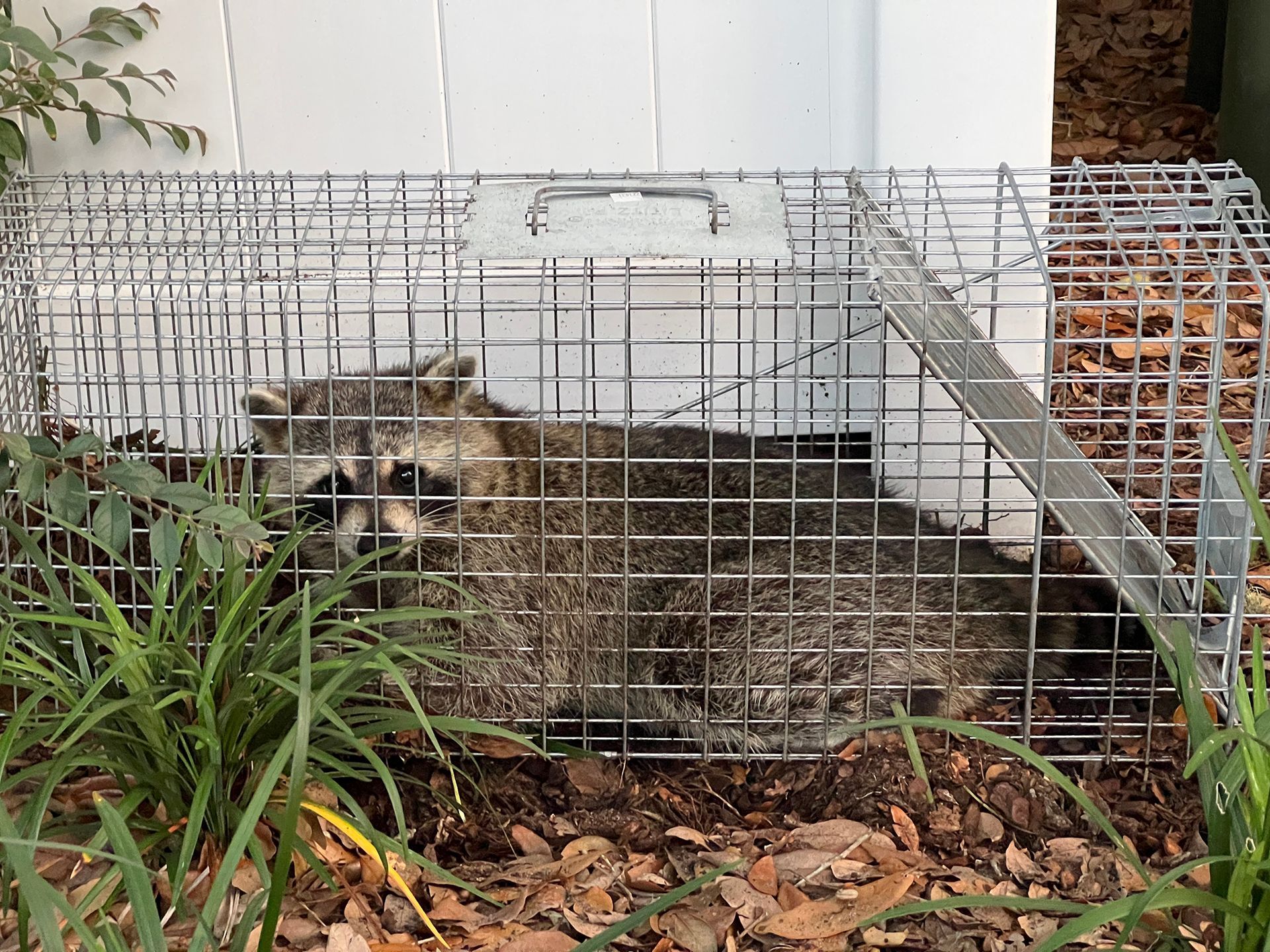
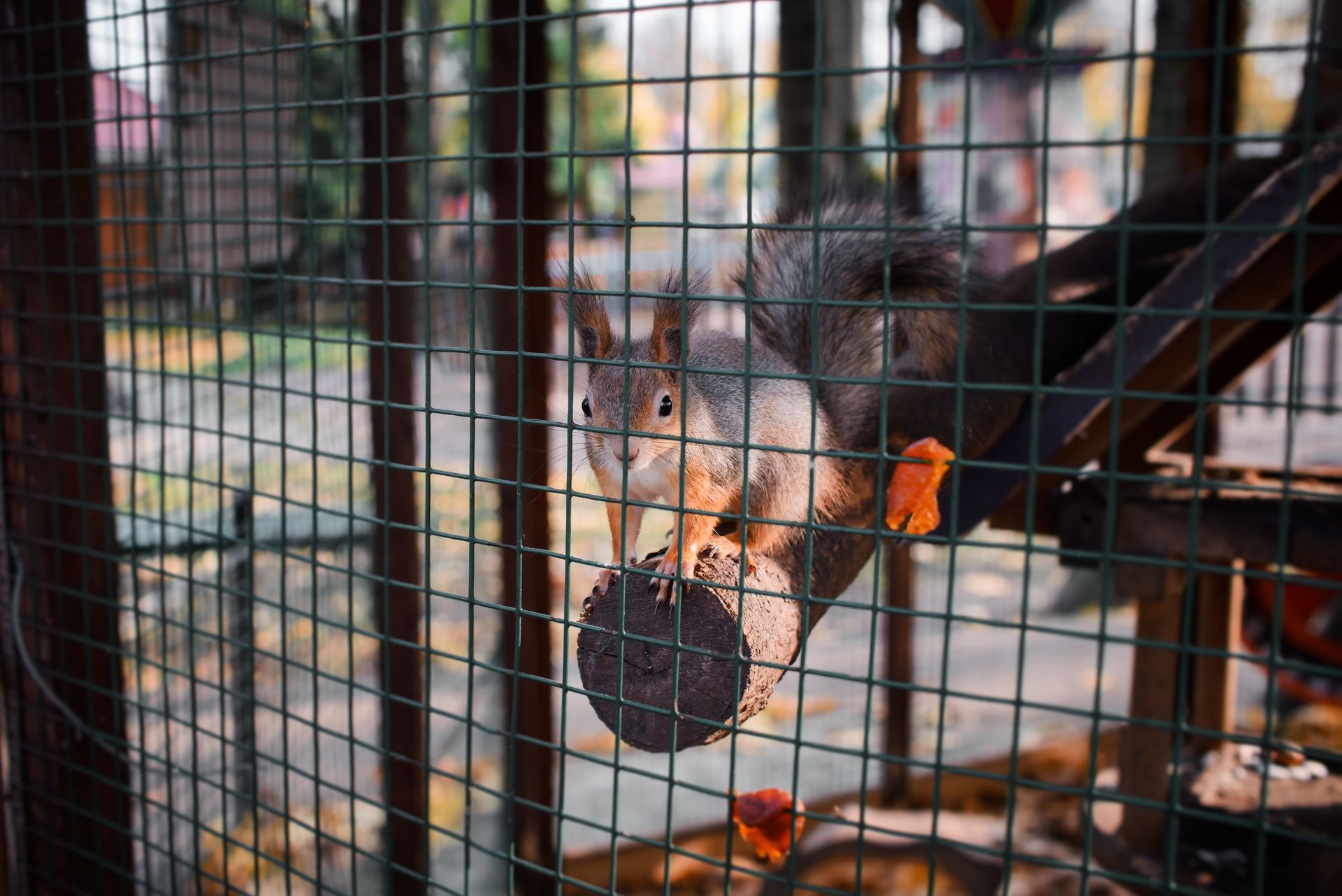
Squirrels may enter through roof damage or gaps around the attic, while raccoons and opossums can use larger openings around roofs, chimneys, and soffits.
Birds and bats may enter through chimneys or other openings near the roof.
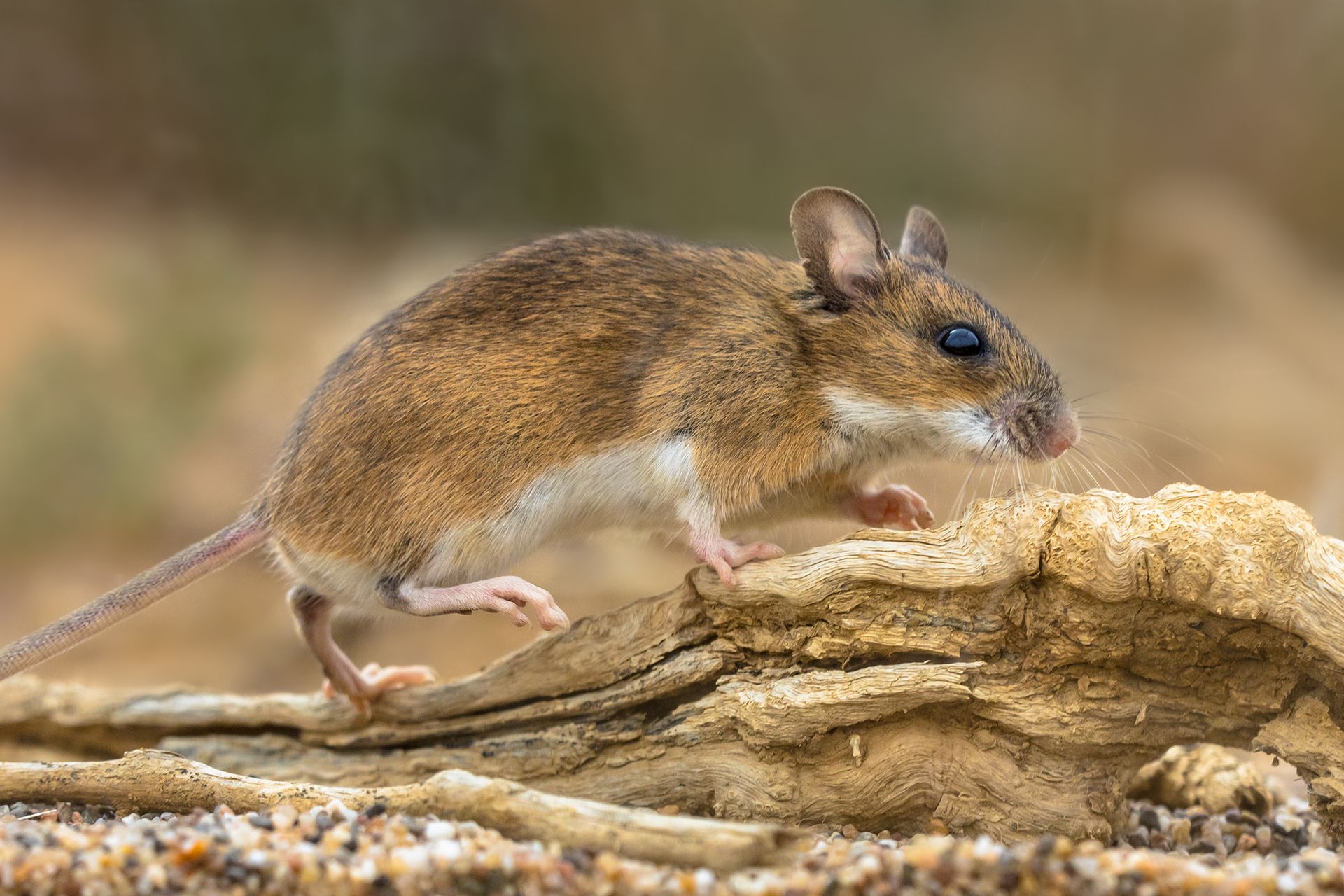
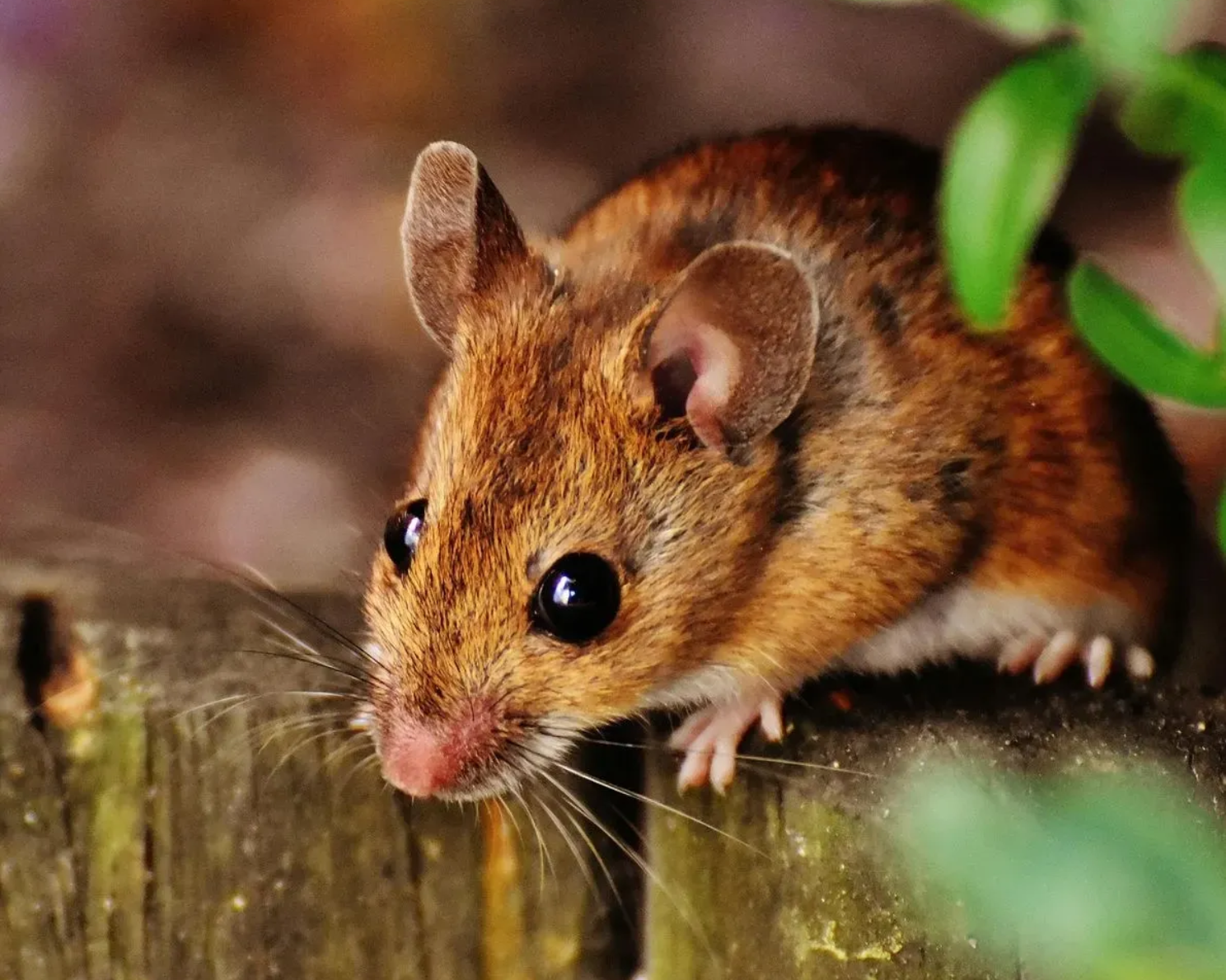
Smaller animals such as mice and other rodents can squeeze through much smaller gaps around pipes, utility lines, doors, foundations, and other areas.
The size and location of an opening, along with the signs left behind, can provide clues about what may be using it.
Why Do Wildlife Get Into Alpharetta Homes?
Wildlife enters homes for the same basic reasons animals seek shelter anywhere: food, water, protection, and a safe place to rest or raise young.
Your home can provide a dry, protected space away from predators and bad weather. Attics, crawl spaces, garages, and areas beneath decks can all provide conditions that make a property attractive to wildlife.
Trees and landscaping can also give animals easier access to the house. Overhanging branches, dense vegetation, unsecured trash, bird feeders, and outdoor food sources can bring wildlife closer to your home and increase the chances of an animal finding an opening.
How Can You Tell If Wildlife Has Entered Your Home?
You may not see the animal itself. In many cases, the first signs are sounds, damage, droppings, odors, or nesting materials left behind. The type of sign can also give you a clue about what may be inside.
For example, rats or mice may leave droppings, gnaw marks, and scratching sounds, while squirrels may cause daytime scratching, insulation damage, and nesting activity in the attic. Raccoons can leave larger droppings, strong odors, damaged entry points, and heavier noises, while bats may leave droppings around attic areas and create scratching or fluttering sounds.
Other signs to watch for include:
- Damaged insulation
- Chewed wood, wiring, or other materials
- Nesting materials
- Tracks or paw prints
- Grease marks around openings
- Damaged roofing, siding, soffits, or screens
- Animals repeatedly appearing around the same part of the house
The location of these signs can help narrow down where an animal may be entering, hiding, or nesting.
What Should You Do If You Find a Wildlife Entry Point?
Finding an opening does not necessarily mean the animal is already gone. Wildlife may be inside the home, using the opening to come and go, or caring for young nearby.
Don't Seal the Opening Right Away
Sealing an opening while an animal is still inside can trap it in your attic, wall, or crawl space. If young animals are present, blocking the opening can also separate them from the adult.
Determine whether the opening is active before making repairs.
Keep People and Pets Away
Wild animals can become defensive when they feel threatened, especially when they are cornered or protecting young. Keep children and pets away from areas where you suspect an animal is hiding.
Do not reach into holes, vents, crawl spaces, or other enclosed areas to try to remove an animal yourself.
Look for Signs of an Animal Inside
Check for droppings, nesting materials, odors, damage, and sounds around the suspected entry point. These clues can help determine whether the opening is currently being used.
Have the Opening Inspected
A professional inspection can help determine what animal is using the opening, whether it is still inside, and what needs to be repaired to prevent another animal from getting in.
How Can You Prevent Wild Animals From Getting Into Your Home?
Regular exterior inspections can help you catch small openings before wildlife turns them into a way inside. Check your roof, soffits, siding, foundation, crawl space, doors, and other exterior areas for damage or gaps.
For stronger protection, consider wildlife proofing your home. Wildlife proofing involves finding and securing potential entry points around the property so animals have fewer ways to get inside.
It also helps to remove things that attract animals to your property. Keep garbage secured, avoid leaving pet food outside, clean up fallen fruit, and trim tree branches that give wildlife an easy path to your roof.
How Do You Know When to Call for Professional Help?
You may need professional help if you hear scratching or movement inside your walls or attic, find nesting materials or droppings, notice damage around an entry point, or keep seeing wildlife around the same part of your home.
It is also a good idea to call a professional if you cannot tell what animal is inside. Trying to remove wildlife yourself can lead to bites, scratches, property damage, or an animal becoming trapped inside after an opening is sealed.
A wildlife removal expert can identify the animal, find how it got inside, safely remove it, and help secure the entry point so another animal does not use the same opening.
aProtect Your Home From Wildlife and the Damage They Cause
That small gap under a roofline or opening near your foundation may not look like much, but to wildlife, it can be an invitation. Once an animal finds a reliable way inside, it may return to the same spot, settle in, and cause damage along the way.
Grade A Critter can identify the animal, find the opening it is using, and safely remove it from your home. We can also help you understand what needs to be addressed to prevent another animal from using the same entry point. Contact Grade A Critter to schedule an inspection.
Recent Posts